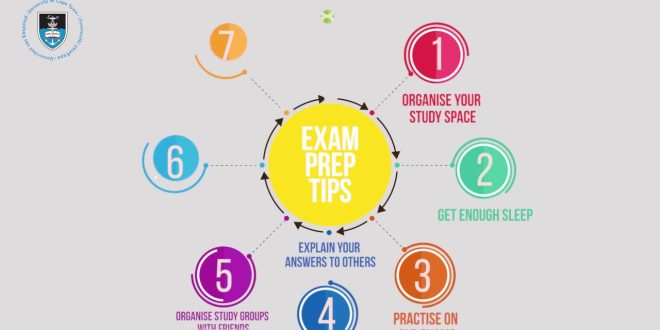
Exams are a significant part of academic life, often bringing a mix of anticipation, excitement, and unfortunately, stress and anxiety. While some stress can be motivating, excessive anxiety can hinder performance and negatively impact overall well-being. Learning to manage exam stress and anxiety is crucial for achieving academic success and maintaining mental health. This blog explores effective strategies to manage exam stress and anxiety, providing practical tips to help students navigate this challenging period with confidence and composure.
Understanding Exam Stress and Anxiety
What is Exam Stress?
Exam stress is a feeling of pressure and tension that arises in the face of upcoming exams. This stress can manifest in various ways, including physical symptoms like headaches and fatigue, emotional symptoms like irritability and mood swings, and cognitive symptoms like difficulty concentrating and negative thoughts.
What is Exam Anxiety?
Exam anxiety is a more intense and pervasive form of stress that can cause significant discomfort and impairment. It involves feelings of fear, worry, and apprehension about who invented exams, often accompanied by physical symptoms such as rapid heartbeat, sweating, and nausea. Exam anxiety can lead to avoidance behaviors, procrastination, and even panic attacks.
Recognizing the Signs of Exam Stress and Anxiety
Before delving into strategies for managing exam stress and anxiety, it’s essential to recognize the signs. Understanding these signs can help in taking timely action to address them.
Physical Symptoms
– Headaches: Tension headaches are common during stressful periods.
– Fatigue: Constant tiredness despite adequate sleep.
– Sleep disturbances: Difficulty falling or staying asleep.
– Appetite changes: Eating too much or too little.
– Muscle tension: Stiffness in the neck, shoulders, and back.
Emotional Symptoms
– Irritability: Feeling easily annoyed or frustrated.
– Mood swings: Rapid changes in emotional state.
– Overwhelm: Feeling unable to cope with the demands of online exam help.
– Low self-esteem: Doubting one’s abilities and feeling inadequate.
Cognitive Symptoms
– Difficulty concentrating: Struggling to focus on studies.
– Negative thoughts: Persistent thoughts of failure or inadequacy.
– Memory problems: Forgetting information that has been studied.
– Procrastination: Delaying study sessions due to fear of failure.
Behavioral Symptoms
– Avoidance: Staying away from study materials or exam-related discussions.
– Withdrawal: Isolating oneself from friends and family.
– Substance use: Using alcohol, caffeine, or other substances to cope with stress.
– Poor time management: Struggling to create and stick to a study schedule.
Tips for Managing Exam Stress and Anxiety
1. Create a Study Schedule
A well-structured study schedule is the foundation of effective exam preparation. It helps in organizing study sessions, managing time efficiently, and reducing last-minute cramming, which is a major source of stress.
– Plan ahead: Start your revision early to avoid last-minute stress.
– Set realistic goals: Break down the syllabus into manageable chunks and set achievable goals for each study session.
– Prioritize tasks: Focus on high-priority topics first, ensuring you cover the most important material.
– Include breaks: Schedule regular breaks to rest and recharge. The Pomodoro Technique, which involves 25-minute study sessions followed by 5-minute breaks, can be effective.
2. Develop Effective Study Habits
Adopting effective study habits can enhance learning efficiency and reduce stress.
– Active learning: Engage with the material through methods like summarizing, questioning, and teaching others.
– Use study aids: Utilize flashcards, diagrams, and mind maps to organize and retain information better.
– Practice past papers: Familiarize yourself with the exam format and practice time management by solving past papers under timed conditions.
– Stay organized: Keep your study materials and notes well-organized to save time and reduce frustration.
3. Maintain a Healthy Lifestyle
Physical health has a significant impact on mental well-being. Maintaining a healthy lifestyle can help manage stress and anxiety effectively.
– Eat a balanced diet: Ensure you’re getting proper nutrition, including fruits, vegetables, lean proteins, and whole grains.
– Exercise regularly: Physical activity releases endorphins, which can improve mood and reduce stress. Aim for at least 30 minutes of moderate exercise most days.
– Get enough sleep: Aim for 7-9 hours of sleep per night. Good sleep hygiene practices, such as maintaining a regular sleep schedule and creating a restful environment, can improve sleep quality.
– Stay hydrated: Drink plenty of water throughout the day to stay hydrated and maintain energy levels.
4. Practice Relaxation Techniques
Incorporating relaxation techniques into your daily routine can help alleviate stress and anxiety.
– Deep breathing: Practice deep breathing exercises to calm the mind and reduce physical tension. The 4-7-8 technique, which involves inhaling for 4 seconds, holding for 7 seconds, and exhaling for 8 seconds, can be particularly effective.
– Progressive muscle relaxation: This technique involves tensing and then relaxing each muscle group, helping to release physical tension.
– Meditation: Mindfulness meditation can help you stay present and reduce anxiety. Apps like Headspace and Calm offer guided meditations tailored to stress relief.
– Yoga: Combining physical postures, breathing exercises, and meditation, yoga can help reduce stress and improve overall well-being.
5. Stay Positive and Practice Self-Compassion
Maintaining a positive outlook and being kind to yourself are crucial for managing exam stress and anxiety.
– Positive affirmations: Use positive self-talk to build confidence and reduce negative thinking. Remind yourself of your strengths and past successes.
– Visualize success: Imagine yourself performing well in the exam. Visualization can boost confidence and reduce anxiety.
– Practice gratitude: Reflect on things you’re grateful for each day. Gratitude practices can shift focus away from stress and promote a positive mindset.
– Be kind to yourself: Acknowledge that it’s okay to make mistakes and that imperfection is part of the learning process. Treat yourself with the same kindness and understanding you would offer a friend.
6. Seek Support
You don’t have to navigate exam stress and anxiety alone. Seeking support from others can provide comfort and practical assistance.
– Talk to someone: Share your feelings with friends, family, or a counselor. Talking about your concerns can provide relief and perspective.
– Join study groups: Collaborating with peers can enhance learning and provide mutual support. Study groups can also help in breaking the monotony of solo study sessions.
– Access campus resources: Many educational institutions offer resources such as counseling services, stress management workshops, and academic support centers. Take advantage of these resources to get professional help when needed.
7. Manage Time Effectively
Effective time management is crucial for reducing stress and ensuring a balanced approach to exam preparation.
– Use a planner: A planner or digital calendar can help you keep track of study sessions, deadlines, and other commitments.
– Set boundaries: Limit distractions by creating a designated study space and setting specific study times. Inform family and friends of your study schedule to minimize interruptions.
– Break tasks into smaller steps: Large tasks can be overwhelming. Breaking them into smaller, manageable steps can make them more approachable and less daunting.
8. Prepare for the Exam Day
Being well-prepared for the exam day can help reduce anxiety and boost confidence.
– Get organized: Prepare all necessary materials (e.g., pens, pencils, calculator, ID) the night before the exam.
– Review key points: On the morning of the exam, briefly review key concepts and notes instead of cramming new information.
– Arrive early: Arrive at the exam location with plenty of time to spare, reducing the stress of potential delays.
– Practice relaxation techniques: Before the exam starts, take a few moments to practice deep breathing or other relaxation techniques to calm your nerves.
9. Adopt a Growth Mindset
Embracing a growth mindset can transform your approach to exams and reduce stress.
– Focus on learning: View exams as an opportunity to demonstrate what you’ve learned rather than a threat. This shift in perspective can reduce anxiety and promote a positive attitude.
– Embrace challenges: See challenges as opportunities for growth. Understand that difficulties and setbacks are part of the learning process.
– Reflect on progress: Regularly reflect on your progress and achievements. Acknowledge the effort you’ve put in and the improvements you’ve made.
10. Post-Exam Reflection
Reflecting on your performance after the exam can provide valuable insights and reduce future stress.
– Celebrate your efforts: Regardless of the outcome, acknowledge the hard work and dedication you’ve put into preparing for the exam.
– Identify areas for improvement: Reflect on what worked well and what could be improved for future exams. Use this information to adjust your study strategies and manage stress more effectively next time.
– Seek feedback: If possible, seek feedback on your performance to understand areas of strength and areas needing improvement.
Conclusion
Managing exam stress and anxiety is essential for achieving academic success and maintaining mental health. By implementing these tips—creating a study schedule, developing effective study habits, maintaining a healthy lifestyle, practicing relaxation techniques, staying positive, seeking support, managing time effectively, preparing for the exam day, adopting a growth mindset, and reflecting post-exam—students can navigate the pressures of exams with confidence and composure.
Remember, it’s normal to feel some stress and anxiety around exams, but with the right strategies, you can manage these feelings and perform to the best of your abilities. Prior