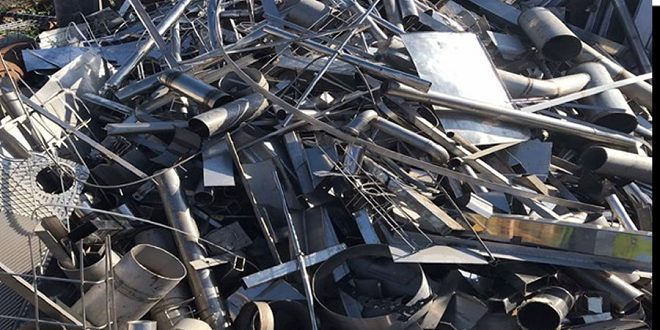
Stainless steel (SS) 304, with its excellent corrosion resistance and formability, is the most frequently used steel variant in sundry industries. Its serviceability is such that when products made using it expire, they aren’t thrown, but further recycled and processed as scrap to serve other ends. This blog intends to give the readers a detailed look at the various applications of SS 304 scrap and the factors that influence SS 304 scrap rates.
Applications of SS 304 Scrap
Recycled SS 304 scrap has various uses across different industries…
- Construction: Whether it’s about building facades or forming structural components, stainless steel finds its usage in almost every aspect of the construction industry. In these applications, SS 304 scrap is especially useful because it provides as much strength and visual appeal as new material.
- Automotive: Since SS 304 scrap has the potential to withstand high temperatures and corrosion, it gets used in exhaust systems, trim etc., in the automotive industry.
- Aerospace: Numerous aerospace components can be made from recycled stainless steel 304, which lowers costs and has a positive environmental impact.
- Consumer Goods: Because of its hygienic qualities and attractive appearance, stainless steel is used to make a lot of cookware, utensils, and household appliances. For these uses, recycled stainless steel (SS304) is ideal because it has the same quality as fresh stainless steel.
- Industrial Equipment: Industrial machinery and equipment are made of stainless steel, particularly in situations where corrosion resistance is crucial. These applications allow for the recycling of SS 304 scrap, which reduces costs and promotes sustainability.
Factors Affecting SS 304 Scrap Rates
SS 304 scrap rates today get influenced by a number of factors, including…
- Market Supply and Demand: The price of SS 304 scrap is largely determined by the basic economic principle of supply and demand. Prices can rise in response to low supply and high demand, while they can fall in response to excess supply and low demand.
- Scrap Quality: Scrap purity and quality have a big impact on how much it costs. The value of the scrap can be decreased by contaminants or mixed materials, whereas high-purity SS 304 scrap is more expensive.
- Global Economic Conditions: The price of SS 304 scrap can be influenced by local and global economic conditions. Economic downturns can lower scrap prices by decreasing consumer demand for products made of stainless steel. On the other hand, economic expansion may raise demand and raise costs.
- Raw Material Prices: Scrap prices are influenced by the cost of the raw materials used to make SS 304, especially nickel and chromium. Prices for scrap usually rise in response to increases in the cost of these raw materials.
- Energy Costs: The price of SS 304 scrap can also be impacted by the energy needed for its processing and recycling. Increased energy expenses have the potential to drive up recycling costs overall, which raise the price of scrap.
- Regulations and Trade Policies: The scrap market may be impacted by governmental rules and trade policies. Tariffs, export limitations, and environmental laws may have an impact on the cost and accessibility of scrap SS 304.
- Technological Developments: The cost effectiveness of processing SS 304 scrap can be impacted by developments in recycling technology. Advancements in technology have the potential to decrease processing expenses and augment the supply of superior recycled material.
The Future of SS 304 Scrap Recycling
As industries continue to place a higher priority on sustainability, there will likely be an increase in the demand for recycled materials. Technological developments, like better sorting and processing methods, will increase the efficacy and efficiency of recycling SS 304 scrap. Recycling practices will also probably be adopted by more businesses as a result of growing environmental sustainability awareness and regulations.
In addition to being financially advantageous, recycling SS 304 scrap supports international initiatives to cut waste and protect natural resources. We can contribute to a more sustainable future while upholding the high standards of performance and quality associated with stainless steel products by incorporating recycled materials into production processes.
SS 304 scrap as such is an important resource that supports sustainable manufacturing methods, financial savings, and environmental preservation. Comprehending the present status of stainless steel scrap and the variables impacting its cost is imperative for enterprises and individuals operating in the recycling and manufacturing domains.
If you are looking for the right platform to check the latest SS 304 scrap rates and steel rates, OfBusiness is here to serve you and how!
https://www.ofbusiness.com/prices/stainless-steel/304-ss-scrap